

De Canarias al Caribe: Cruzando el Atlántico a Vela
La ruta de los vientos alisios del Atlántico
Navegar desde las Islas Canarias hacia el Caribe es una de las travesías clásicas del Atlántico. La ruta cubre aproximadamente 2.700 millas náuticas, aunque la distancia final depende del puerto de salida, del punto de llegada elegido en el Caribe y del rumbo marcado por las condiciones meteorológicas.
En lugar de navegar en línea recta, la tripulación sigue una ventana meteorológica adecuada y busca los establecidos vientos alisios del nordeste. Algunas travesías pasan por Cabo Verde, mientras que otras continúan directamente hacia el oeste desde Canarias. La ruta exacta solo puede decidirse teniendo en cuenta la previsión meteorológica actual, el estado del yate y el criterio del patrón.
Pasar varias semanas en el mar crea un ritmo completamente diferente al de un crucero costero. Las guardias, los cambios de velas, las comidas, el mantenimiento y el seguimiento de la meteorología estructuran cada día. Entre estas tareas quedan largos horizontes, cielos nocturnos despejados, encuentros con la fauna marina y la experiencia compartida de cruzar un océano a vela.
Islas Canarias
Un punto de salida habitual para los últimos preparativos y el inicio de la travesía hacia el oeste.
Cabo Verde
Una posible escala en una ruta más al sur, dependiendo del plan de navegación y de las condiciones.
Llegada al Caribe
El destino exacto depende de la ruta operativa del yate y de la temporada prevista.
¿Cuándo se realizan las travesías del Atlántico?
Las travesías hacia el oeste suelen planificarse después de la temporada de huracanes, normalmente entre finales de otoño y principios de invierno. Sin embargo, no existe una fecha de salida fija ni un patrón de viento garantizado. Cada travesía depende de una ventana meteorológica adecuada y puede retrasarse o requerir un cambio de ruta.
Ocean Ad-Ventures no realiza travesías del Atlántico de forma regular ni siguiendo un calendario fijo. Estas travesías pueden surgir cuando un barco necesita trasladarse entre diferentes zonas de operación. Esto hace que cada oportunidad sea especial, pero también significa que las fechas, la ruta, la duración y las plazas disponibles solo pueden anunciarse una vez confirmada la planificación del viaje.
Importante: No reserves vuelos ni otros servicios de viaje no reembolsables basándote en una fecha estimada para la travesía oceánica. Las fechas de salida y llegada deben mantenerse flexibles.
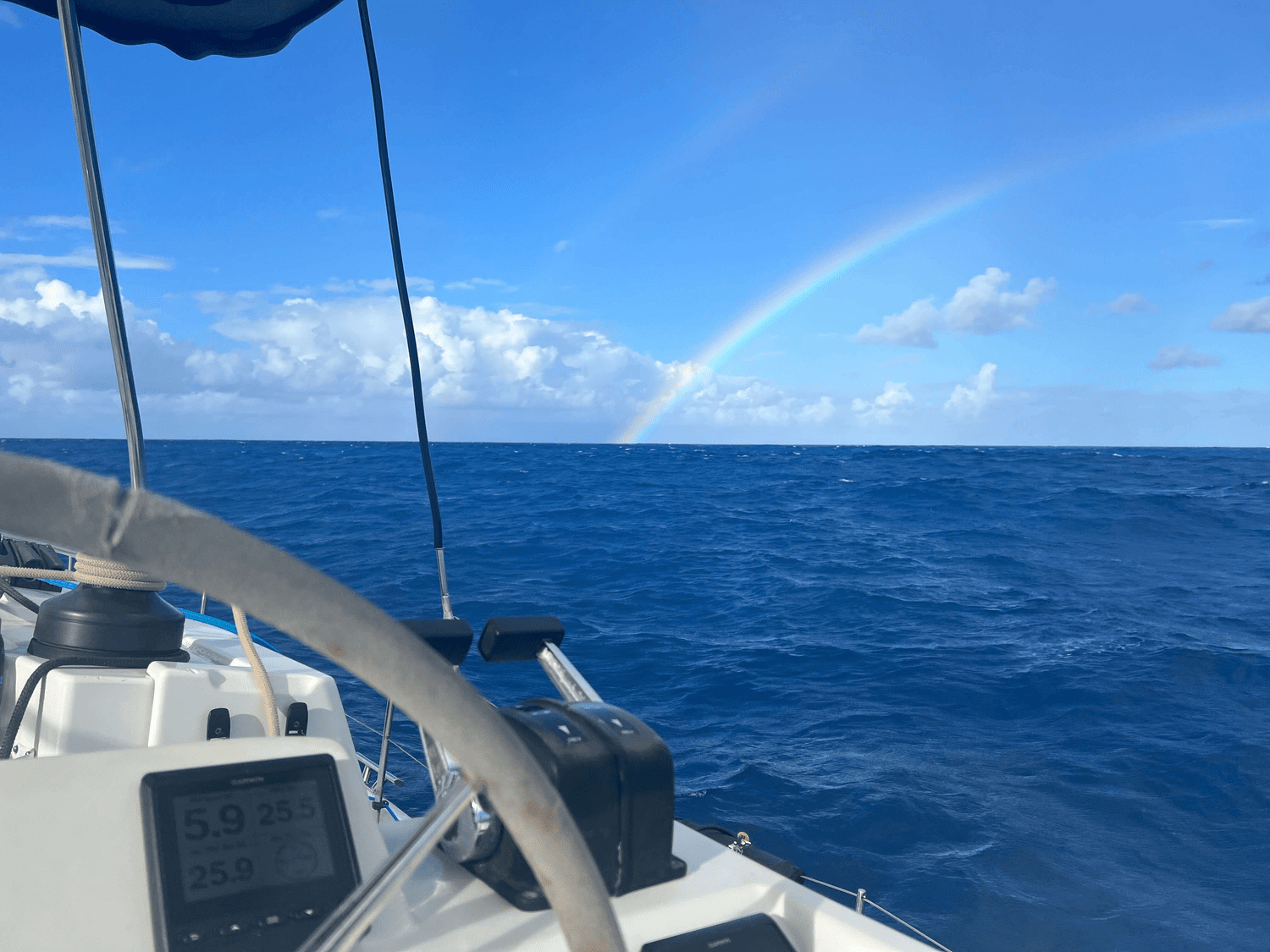
Preparación del yate y la tripulación
Una travesía del Atlántico requiere un nivel de preparación diferente al de un crucero entre islas. Antes de la salida, el yate, el aparejo, las velas, los motores, el sistema de gobierno, los sistemas de comunicación y el equipo de seguridad deben revisarse para la travesía prevista. También hay que planificar las provisiones, el agua potable, las piezas de repuesto y los procedimientos de emergencia teniendo en cuenta posibles días adicionales en el mar.
Preparación de la tripulación
Todos los que estén a bordo deben conocer claramente las guardias, el uso de los chalecos salvavidas y arneses de seguridad, los procedimientos de emergencia y sus responsabilidades a bordo. Para algunas travesías puede ser necesaria experiencia previa en navegación oceánica, mientras que otras pueden estar abiertas a huéspedes motivados con menos experiencia. La selección final de la tripulación dependerá siempre del yate, la ruta y el patrón.
La preparación mental también es importante. Vivir durante un periodo prolongado en un equipo pequeño requiere paciencia, flexibilidad, cooperación y disposición para participar en el día a día a bordo.
Descargar la guía de preparación para la travesía del Atlántico
La vida diaria durante la travesía
La vida en el mar se adapta a las necesidades del yate y no a un horario de vacaciones. Cada travesía es diferente, pero algunas rutinas probablemente formarán parte de la experiencia.
Hacer guardias
Las guardias de día y de noche garantizan que siempre haya alguien controlando el rumbo, las velas, los instrumentos, la meteorología y el tráfico marítimo de los alrededores.
Compartir las comidas
Las provisiones se planifican cuidadosamente y la tripulación comparte la responsabilidad de cocinar, limpiar y aprovechar al máximo los ingredientes frescos y los alimentos almacenados.
Tiempo en alta mar
Leer, escuchar música, jugar, conversar y disfrutar de momentos de tranquilidad ocupan las horas entre las guardias, las comidas y las tareas prácticas a bordo.
Seguridad y navegación en el mar
El GPS, las comunicaciones por satélite y las previsiones meteorológicas modernas ofrecen un apoyo muy valioso, pero no sustituyen los conocimientos y la experiencia de una buena navegación. Una navegación oceánica segura se basa en una preparación adecuada, decisiones prudentes, equipos fiables, guardias continuas y una tripulación que conozca los procedimientos específicos del yate en el que navega.
Comunicación y meteorología
Las comunicaciones en alta mar y el acceso a las previsiones meteorológicas dependen del equipo instalado a bordo, de su cobertura y de las condiciones existentes. Cuando está disponible, la conexión por satélite puede facilitar la descarga de información meteorológica y el envío de mensajes importantes. Sin embargo, los huéspedes no deberían considerar una travesía del Atlántico como un entorno en el que puedan trabajar normalmente online de forma garantizada.
Decisiones sobre la ruta
La ruta prevista puede cambiar a medida que llegan nuevas previsiones meteorológicas. Evitar condiciones inadecuadas y proteger a la tripulación y al yate siempre tiene prioridad sobre mantener un horario determinado o llegar a un puerto concreto.

¿Te interesa navegar con nosotros?
No tienes que esperar a una travesía del Atlántico para experimentar la vida a vela. En nuestros cruceros habituales puedes tomar el timón, ayudar con las maniobras de las velas, aprender los conceptos básicos de navegación y fondeo o simplemente relajarte mientras la tripulación se ocupa del yate. Tu participación se adapta siempre a la ruta, las condiciones y tu nivel de experiencia.
Descubre más sobre cómo participar activamente en la navegación, documentar tus millas náuticas y las diferentes formas de disfrutar del viaje en nuestra página Navegar con nosotros.

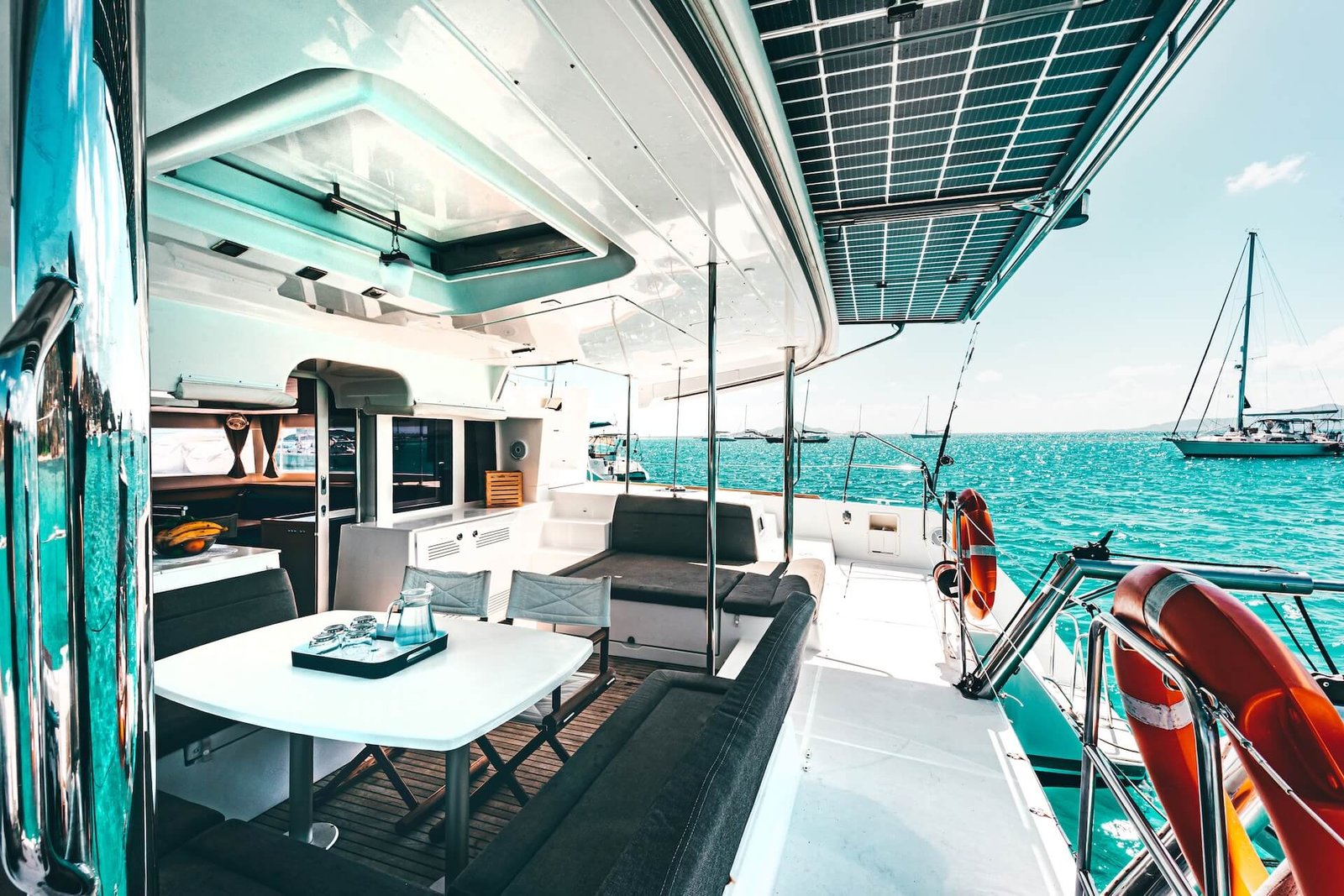

Únete a la lista de espera para una travesía del Atlántico
Nuestras travesías del Atlántico no se realizan con un calendario regular. Si quieres que te avisemos cuando sea posible organizar una futura travesía, envíanos tus datos, tu experiencia navegando y tu disponibilidad general. Contactaremos con las personas de la lista de espera una vez que la ruta y unas fechas provisionales estén confirmadas.
Unirse a la lista de espera no implica ningún compromiso ni reserva o garantía de plaza. Cualquier futura travesía estará sujeta a los planes operativos del barco, las condiciones meteorológicas, los requisitos de seguridad y la confirmación final.
 Español
  English
  Deutsch